
Wow!
I installed an Ethereum browser wallet recently and my first impression was messy. There are so many options that it felt like aisle overload at a hardware store. Initially I thought more features meant better security, but then I realized that more bells and whistles often multiply attack surface and user error possibilities. So I dug into a few browser extensions to find something practical for everyday DeFi.
Whoa!
My instinct said to favor simple UX because I kept making tiny mistakes during swaps and approvals. On one hand I wanted granular control, but on the other I kept tripping over confirmation flows and felt a bit drained after long sessions. Actually, wait—let me rephrase that: I wasn’t after minimalist fluff; I wanted clear defaults and smart warnings that don’t get in the way. So I started using one extension and tested it across multiple chains and dapps.
Really?
The extension that stuck had clear transaction previews and sensible account management so I stopped guessing what I was signing. My initial gut reaction was relief — not because it was flashy, but because it cut down dumb mistakes. I’m biased, but the moment I saw readable gas estimates and labeled contract calls I felt less nervous about approving. That kind of confidence matters when you’re moving funds fast.
Wow!
There’s a learning curve with any wallet extension, though the best ones flatten that curve with plain language and sane defaults. Here’s what bugs me about many wallets: they hide contract calls under technical names and expect users to know gas math. I remember approving a “setApprovalForAll” in a panic a while back and losing sleep over it. After that I avoided wallets that treated permissions like a checkbox instead of a security event.
Hmm…
Check this out—visual cues and transaction details are small things that change behavior. When you see the data you stop guessing and start verifying, which is huge. In practical terms that means fewer accidental approvals and fewer “what did I just sign” moments. If a wallet can give you clear labels, revocation tools, and a readable history, it’s already ahead.
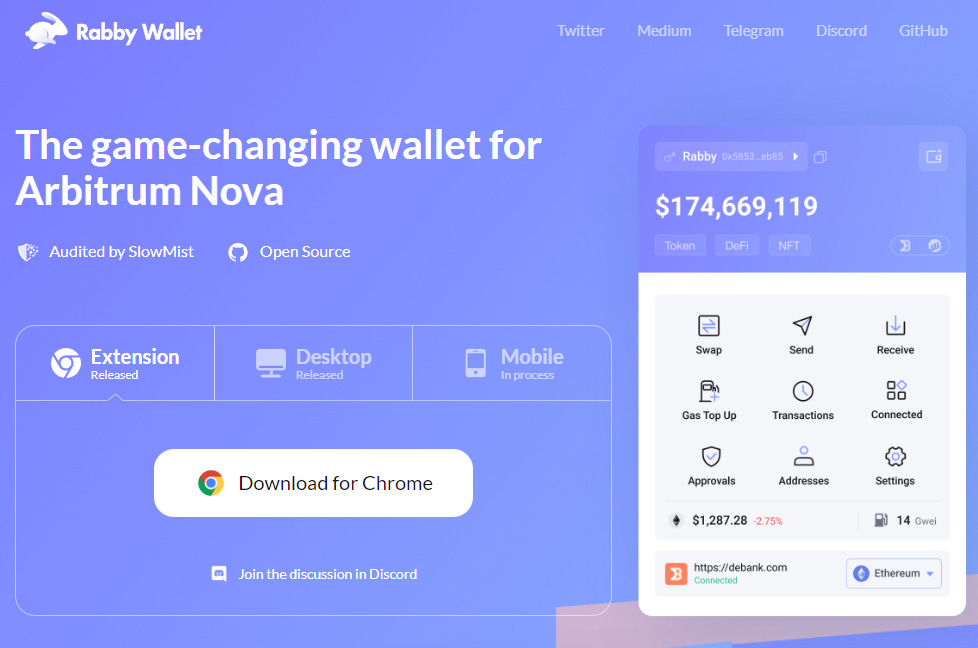
Why I started using rabby wallet
Really?
I started using the rabby wallet because it balances clarity and power without being patronizing. At first I thought I’d miss advanced options, but actually the wallet surfaces them when you need them, which kept my workflow smooth. The setup was straightforward on Chrome and Firefox, and migration from other extensions was mostly painless. I’m not 100% sure about every edge case, but for everyday DeFi it became my go-to.
Whoa!
Even with a good extension you should pair it with cold storage or keep small operational funds in the browser. My approach is to maintain three buckets: long-term cold, medium-term staking or vaults, and small quick-spend in the browser. On one hand this feels like overkill; on the other it saved me from a dumb phishing link once. So if you use any browser wallet treat it like a hot card in your wallet — minimal balance, constant vigilance.
Wow!
Approve only the calls you understand, and revoke permissions regularly. Some explorers and revocation tools let you see allowances and reset them, which is helpful when you want to cut off access. It’s a pain sometimes, but very very important. Also, double-check domain names and never paste your seed phrase into a website.
Hmm…
I’ll be honest — some wallets still feel like developer toys rather than consumer products. Rabby, somethin’ about it felt more deliberate in the way it handled transaction previews, though there are feature gaps I’d like to see filled. For example better mobile sync and a cleaner asset view would help adoption beyond power users. That said, the evolution in the last year has been impressive and I’m optimistic.
FAQ
Q: Is a browser wallet safe for large holdings?
A: Short answer: no—treat browser extensions as hot wallets. Use hardware or cold storage for long-term holdings and keep only operational funds in the browser.
Q: Can I use a browser wallet across different blockchains?
A: Many modern extensions support multiple EVM chains; still, double-check the selected network before signing and be careful with token bridges and approvals.
Q: How do I reduce accidental approvals?
A: Look for wallets that show call data and human-readable labels, revoke allowances regularly, and consider transaction batching or limits if available.
